
Backed by Research
When Something Happens is backed by research and built on the Center for Civic Design’s expertise in design communications. Our goal is to consider how a human will read and react to a message during a time of crisis and use that understanding to design messaging that is sensitive in both language and graphic design choices.
We tested messaging with over 75 voters across 2 states to ensure they delivered information in a clear, calm, and accurate manner. Listening to voters tell us how they respond to messages helped us improve what we’ve designed. Voters told us:
- Be authoritative: use a serious tone and layout, especially for topics that have been part of conspiracy theories.
- Don’t scare me: frantic or aggressive design choices turn voters away; instead, share facts, like how the law protects or secures the voter.
- Tell me how to learn more: heightened, conspiracy-ripe topics should start with clear, short headlines; but, they should also include links to detailed reports or information.
- Tell me how I can help: telling voters what to think or feel can turn them away; instead, show how their participation is a partnership.
- Tell me why this is happening: when posting about a technical process that you don’t usually have to explain, be careful to avoid jargon.
How research shaped the designs
Here are some examples of how we applied the research findings to the designs.
Removing graphics that could scare voters
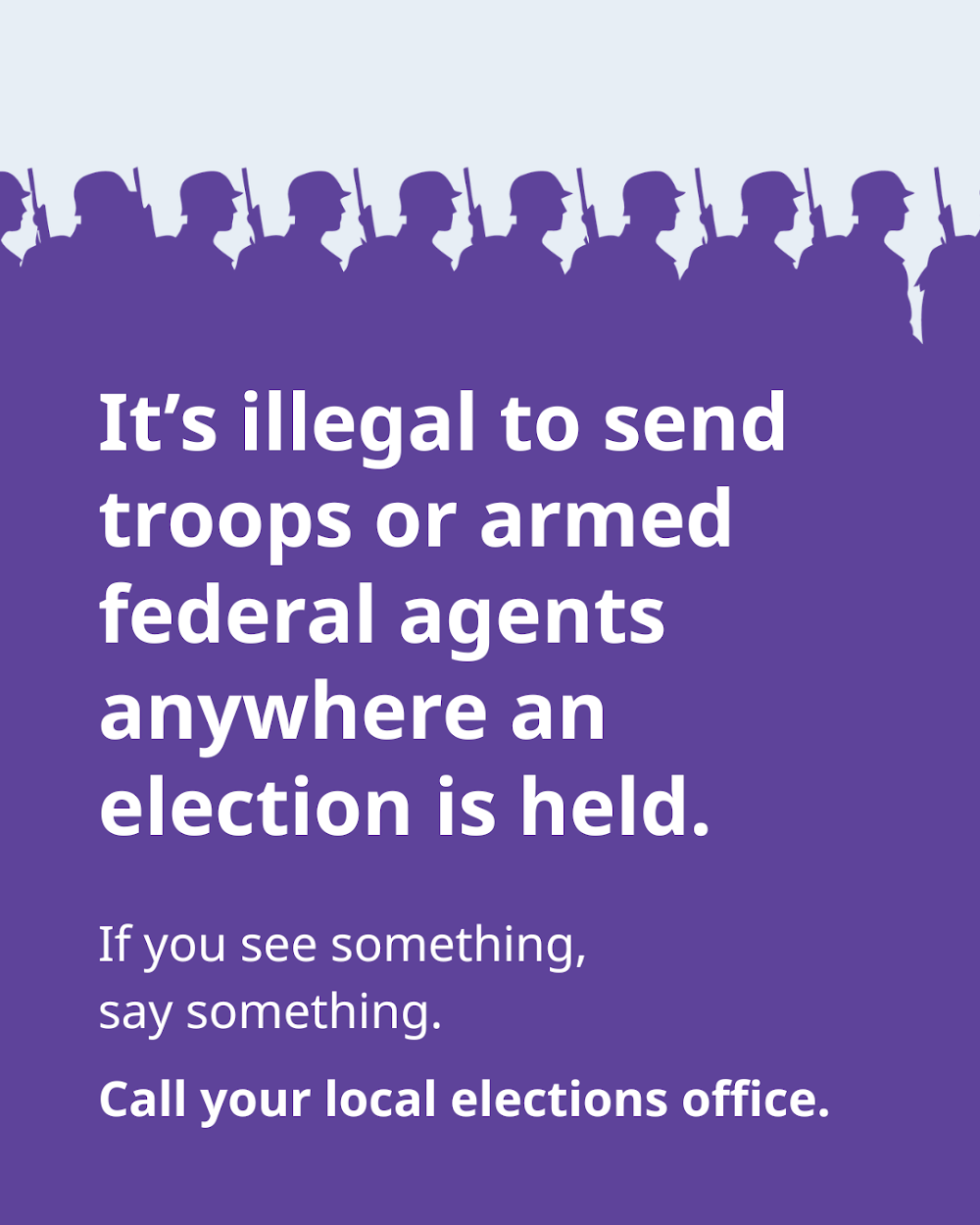
Before testing
After testing
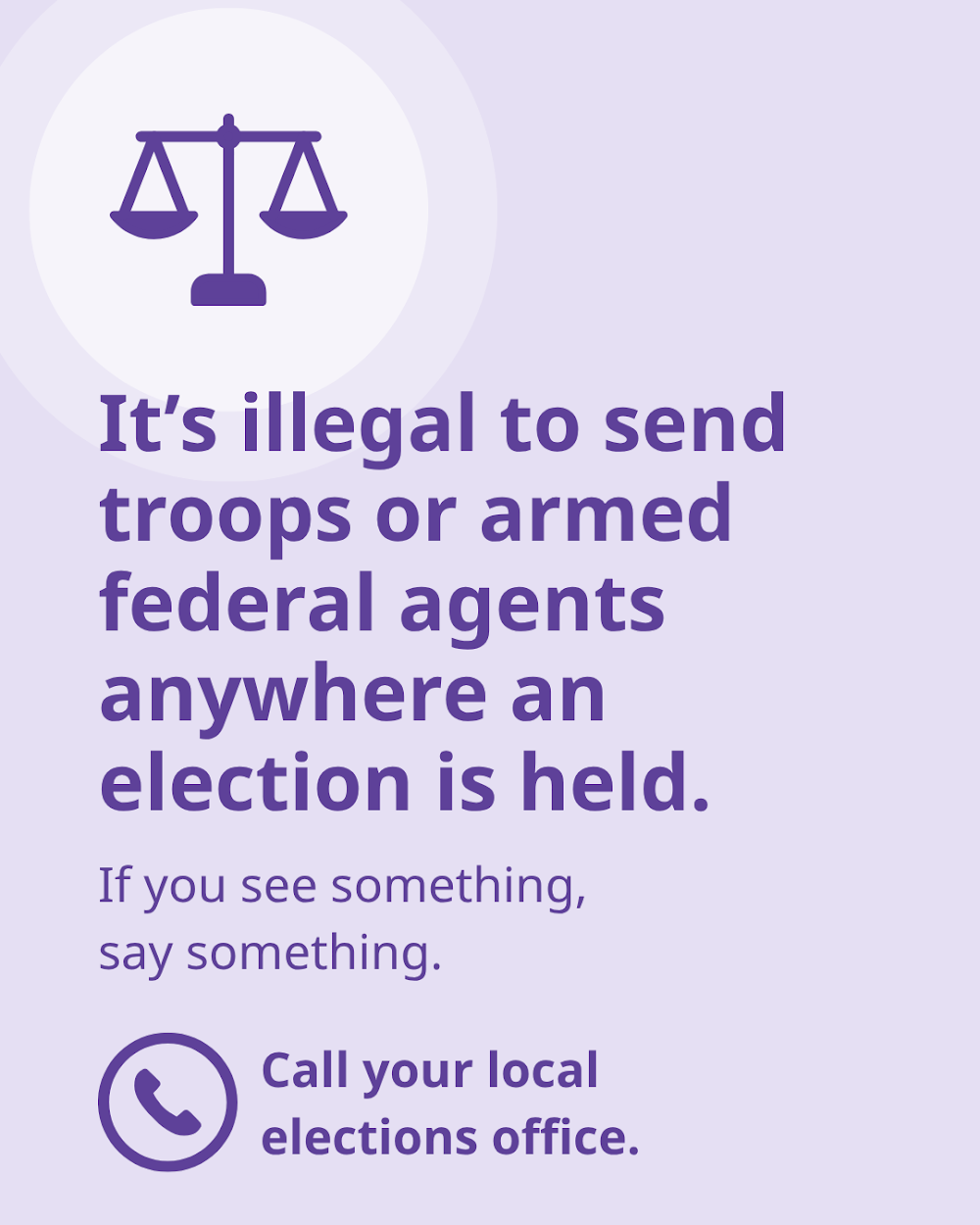
“Is this to scare me? (reference to guns) Soldiers with guns could scare more than reassure.” — participant in our research
While we thought the silhouette of troops was fairly harmless, it didn’t sit well with the participants we tested with. We removed it entirely.
We can avoid scaring voters by removing graphic references to troops. One participant suggested a book of law, or a balance scale.
Making messages more formal
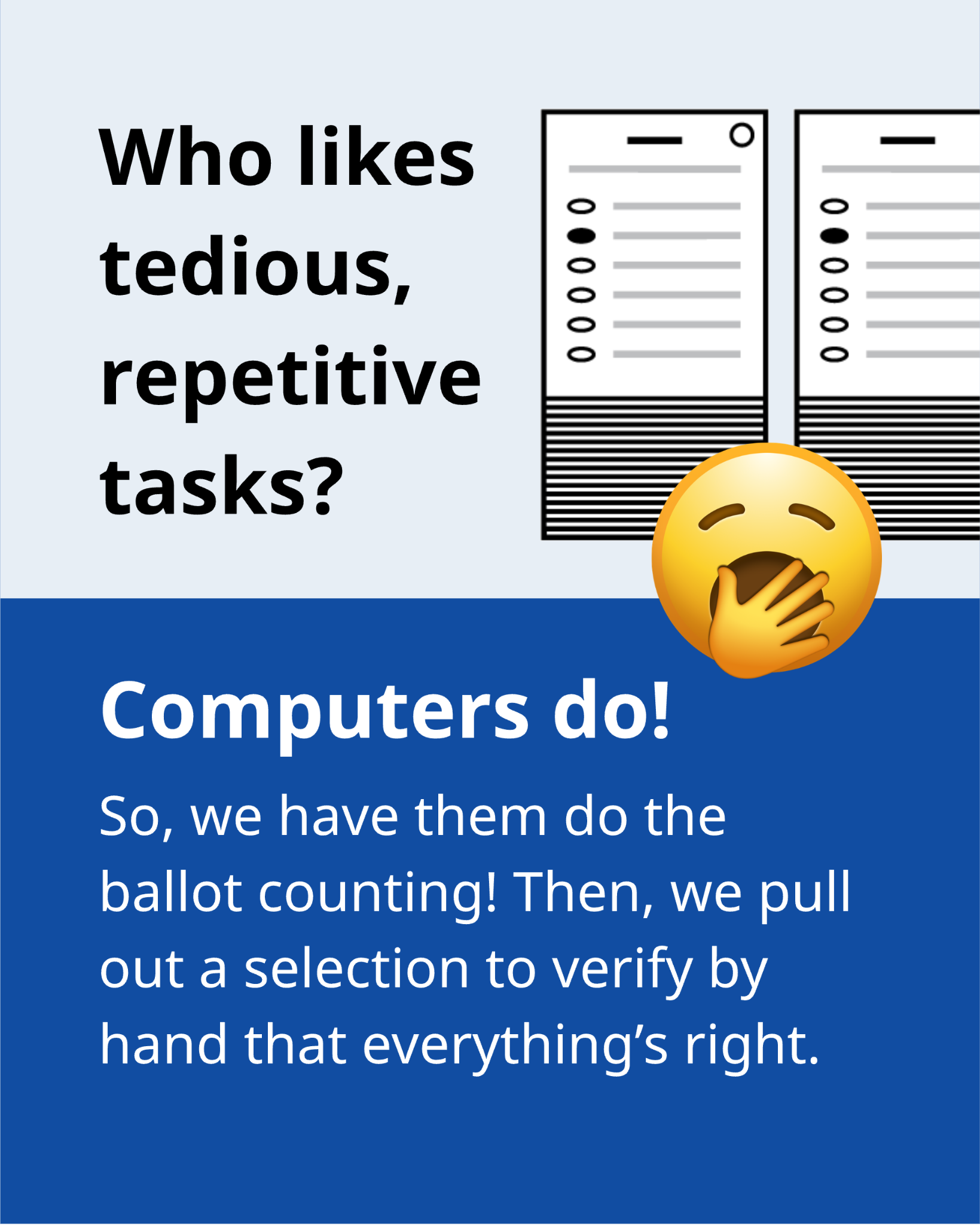
Before testing
After testing
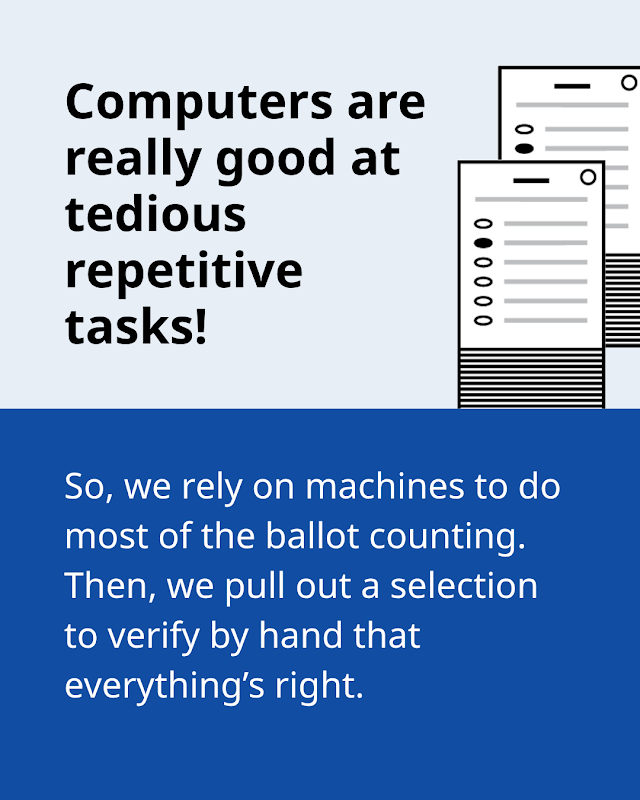
“If it were up to me, it would be more formal.” — participant in our research
Research has shown that voters expect a certain degree or formality in government communications.
We can make this more authoritative by removing the casual tone and the emoji. It should be friendly, but formal.